Hangul and ink wash painting: the beauty of simplicity
Hangul, the Korean writing system, has 14 consonants and 10 vowels designed to be intuitive and simple. The consonants follow the shapes of the speech organs and the vowels are inspired by symbols of nature. Ink wash painting (sumukhwa) expresses nature through the gradation of ink and water, with simple lines and compositions that treat empty space as part of the picture.
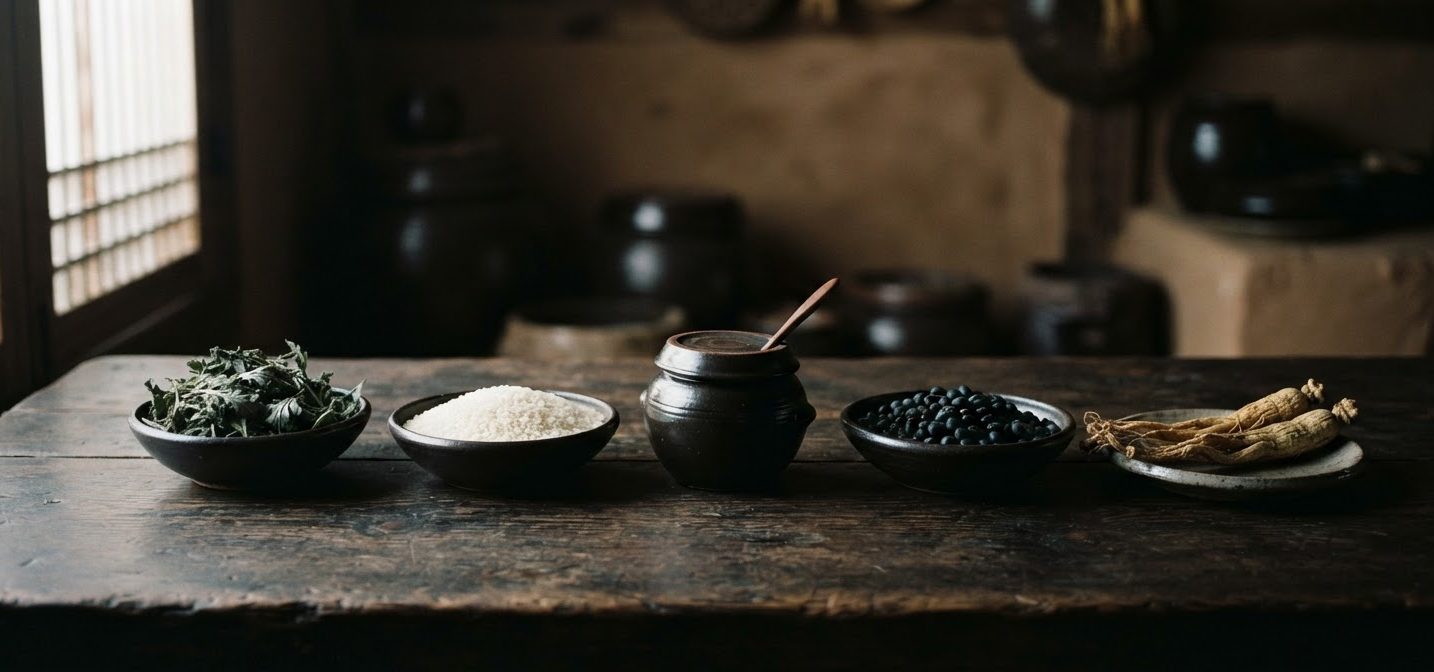
In K-beauty branding this appears as calm, ink-like logos, clean lines and simple type, and product lines built on traditional Korean ingredients such as rice and native plants.
Moon jar, hanok eaves and the palanquin: restrained curves
The moon jar represents late-Joseon white porcelain: soft white colour and simple, graceful curves. The eaves of a hanok — the part of the roof that reaches beyond the columns — show the beauty of a curved line. The Joseon-era gama, a palanquin shaped like a small house, carried the elite.
Brands have turned these forms into packaging: cream jars that echo the moon jar, fragrance concepts inspired by the palanquin, and lip and cheek balms whose cases follow the line of hanok eaves in Joseon colours.
Dancheong and mother-of-pearl: colour and pattern
Dancheong is the traditional technique of decorating palaces and temples in five colours — blue, red, white, black and yellow — symbolising harmony between the universe and people. Its patterns carry the philosophy of yin-yang and the five elements, protecting sacred spaces and praying for prosperity. Najeon chilgi, mother-of-pearl lacquerware, sets shimmering shell fragments into furniture and objects in intricate patterns that express beauty, nobility and wishes for good fortune.
Herbal K-beauty lines reinterpret both in a modern way, with dancheong patterns printed on tubes and mother-of-pearl sparkle on caps and cases.
GDK formulas built on Korean ingredients
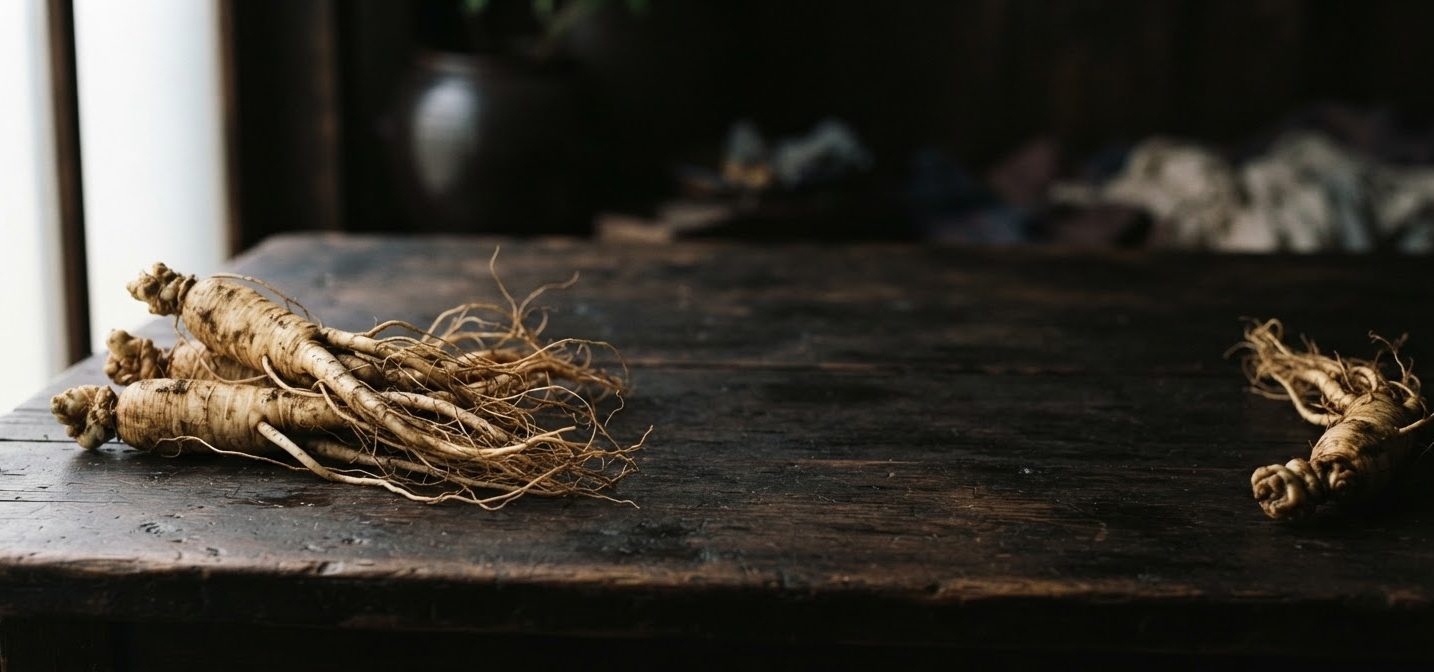
Six formulas built on traditional Korean ingredients.
Vol.2 paired each traditional ingredient with a ready-to-market formula. Read more about each ingredient on traditional Korean skincare ingredients.
| Ingredient (INCI) | Formula | Key point |
|---|---|---|
| Oryza Sativa (Rice) Bran Extract | Rice Milky Toner | Milky texture that layers deep moisture without heaviness |
| Oryza Sativa (Rice) Lees Extract | Rice Sediment Mask | Wash-off mask that recalls makgeolli rice sediment |
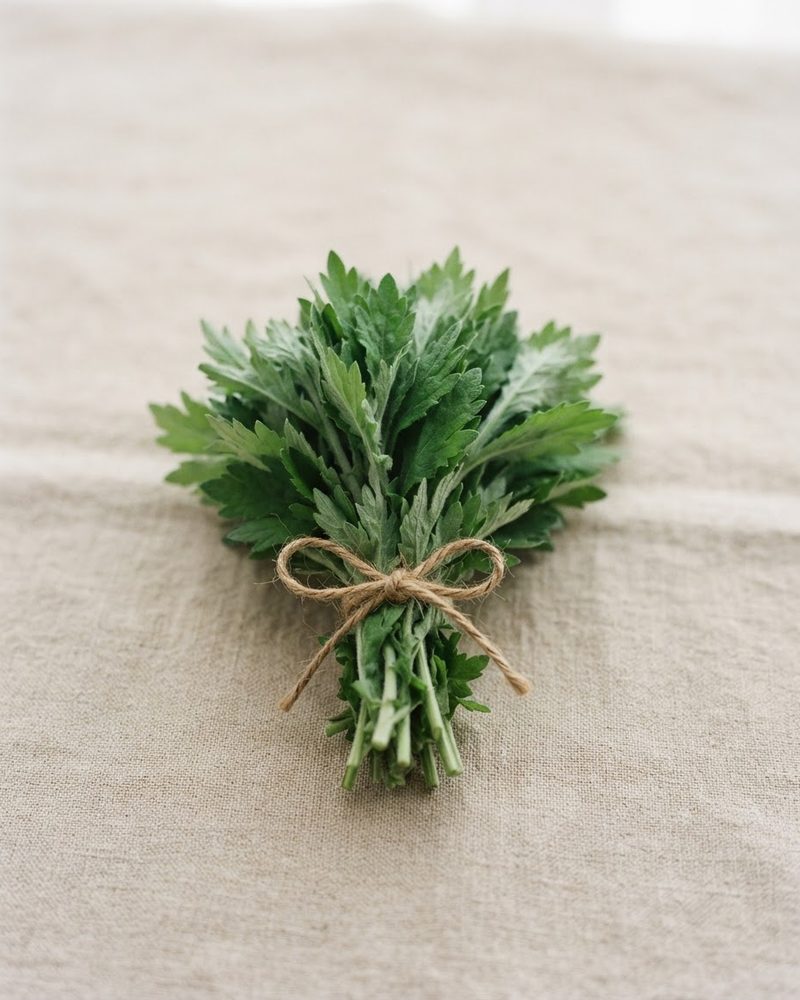
| Artemisia Princeps Leaf Extract | Mugwort Moxibustion Cream | Green gel that turns into a warming white cream |
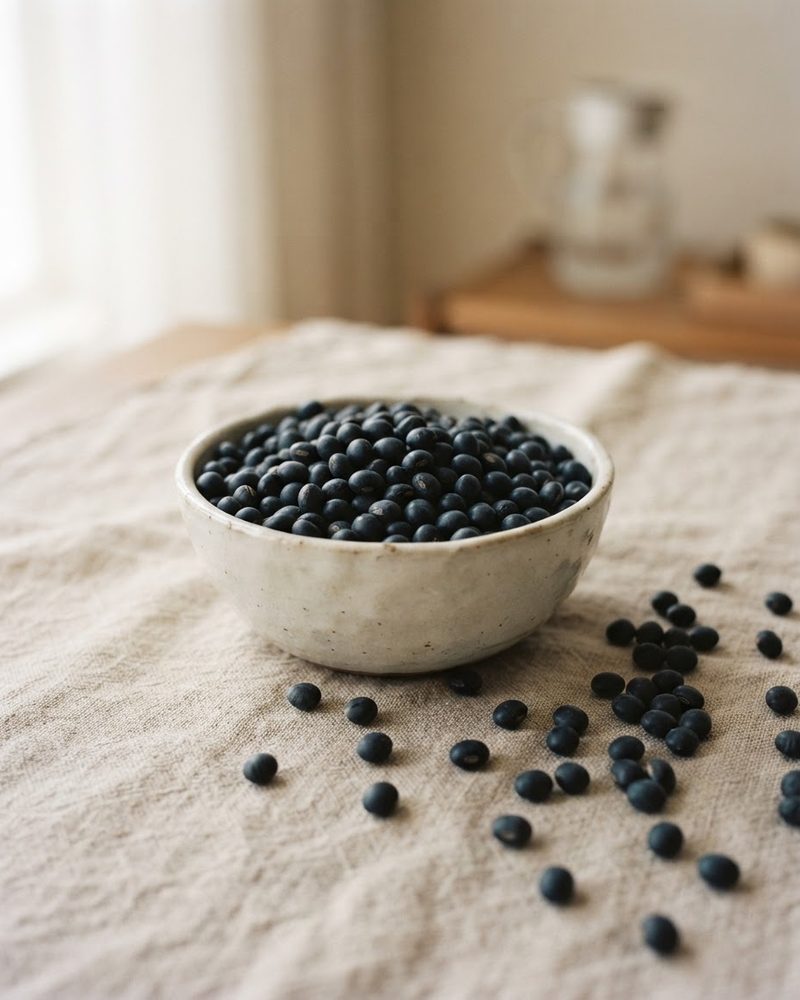
| Glycine Soja (Soybean) Seed Extract | Firming Bean Serum | Fast-absorbing essence from Korean black soybeans |
| Panax Ginseng Root Extract | Age Signal Exosome Ampoule | Rich-coloured ampoule with a non-sticky finish |
| Cheongjindan (12 fermented herbal ingredients) | Fermented Herbal Nourishing Cream | Light pink cream with a silky, dewy finish |
Bringing Korean heritage into your brand
A heritage concept works when the ingredient story, the formula and the package say the same thing. GDK develops all three together, from a Korean ingredient proposal to a container your design team or ours can shape. Start with samples through our OEM / ODM services.
Also read GDK WEBZINE Vol.1: K-beauty packaging trends.